
Exploring Kabaaşı Kayısı: Malatya's Prized Jewel
Malatya Kayısıları Editorial Team · Brand editorial team · Updated 2026-07-27
When it comes to premium dried fruits, Malatya is a name that frequently stands out, especially for its delicious apricots. Among the various kayısı çeşitleri (apricot varieties) from this region, the kabaaşı kayısı is particularly cherished. Known for its distinct taste and texture, kabaaşı kayısı is more than just a fruit; it is a symbol of the rich agricultural heritage of Malatya. In this article, we'll delve into the unique features of kabaaşı kayısı, how it compares to other apricots like hacıhaliloğlu and sarı kayısı, and tips for making the best kuru kayısı seçimi (dried apricot selection).
What Makes Kabaaşı Kayısı Special?
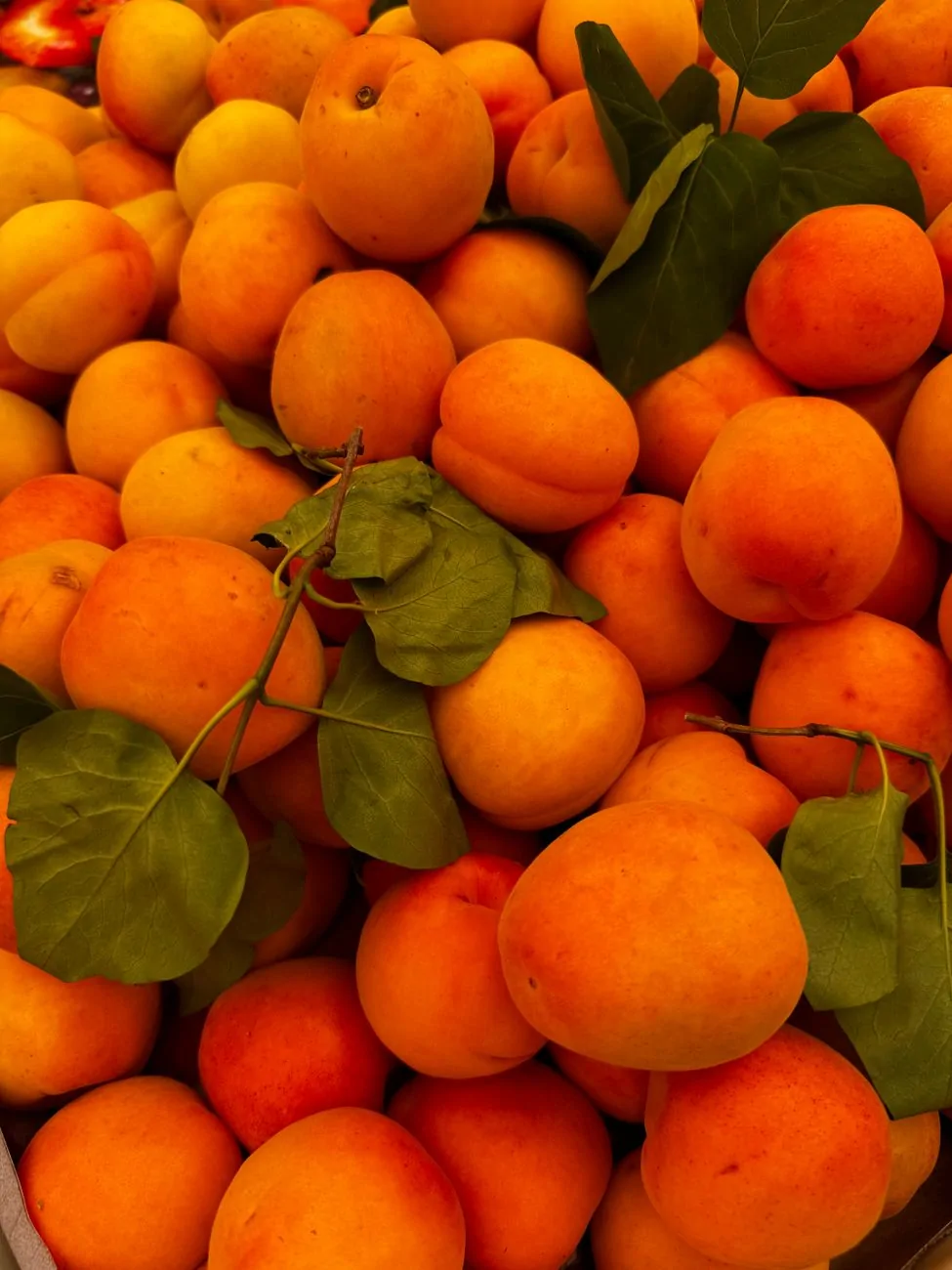
Kabaaşı kayısı is treasured for its robust flavor and velvety texture. Unlike many other apricot varieties, it boasts a thick, fleshy texture that makes it ideal for drying. This quality ensures that the flavor remains intense and rich even after the drying process. The apricots are typically larger, with a deep orange hue, which is not only visually appealing but also indicative of their nutrient-rich content.
The Nutritional Profile of Kabaaşı Kayısı
Rich in vitamins A and C, kabaaşı kayısı offers numerous health benefits. These apricots are also a good source of dietary fiber, which aids digestion, and antioxidants that help combat free radicals in the body. Their nutrient density makes them a healthy snack option, providing energy and essential nutrients.
The Heritage of Malatya Kayısıları
Malatya kayısıları have a storied history that dates back centuries. The region's unique climate and soil conditions provide an ideal environment for apricot cultivation. Malatya's apricots are renowned worldwide, and kabaaşı kayısı is a standout among them. The dedication to traditional growing methods and techniques passed down through generations ensures that each fruit maintains its authentic flavor and quality.
Traditional Cultivation Practices
The cultivation of kabaaşı kayısı involves time-honored practices that prioritize quality over quantity. Farmers in Malatya have perfected the art of apricot farming, using techniques that enhance the fruit's natural sweetness and texture. This commitment to tradition is a key factor in the superior quality of kabaaşı kayısı.
Comparing Kabaaşı with Other Varieties
While kabaaşı kayısı is a favorite, it shares the spotlight with other notable varieties such as hacıhaliloğlu and sarı kayısı. Hacıhaliloğlu is known for its slightly tangy taste and firm texture. It is smaller than kabaaşı and often preferred for different culinary uses. On the other hand, sarı kayısı is famous for its bright yellow color and sweet, juicy flavor, making it excellent for fresh consumption.
Choosing the Right Variety for Your Needs
Understanding the differences between these varieties can help you choose the right apricot for your needs. Whether you prefer the rich, chewy texture of kabaaşı or the tangy flavor of hacıhaliloğlu, each variety offers unique culinary possibilities. Consider your intended use, whether for snacking, baking, or cooking, to make the best choice.
Tips for Kuru Kayısı Seçimi
Choosing the right dried apricots can enhance your culinary creations. When selecting kuru kayısı, look for apricots that are plump and evenly colored. The texture should be supple and slightly chewy, indicating they have been dried under optimal conditions. Avoid apricots that appear too shriveled or overly dry, as they may lack flavor and nutritional value.
Storage Tips for Maximum Freshness
To maintain the quality of your kabaaşı kayısı, store them in an airtight container in a cool, dry place. This helps prevent moisture absorption, which can affect the texture and flavor. Proper storage will ensure that your dried apricots remain fresh and delicious for longer periods.
Common Mistakes to Avoid
- Buying apricots without checking for quality indicators such as color and texture.
- Storing dried apricots in humid environments, which can lead to spoilage.
- Assuming all apricot varieties are the same without considering their unique characteristics.
FAQs About Kabaaşı Kayısı
-
What is the best way to store kabaaşı kayısı?
Store them in a cool, dry place in an airtight container to prevent moisture absorption and maintain freshness.
-
Are kabaaşı kayısı apricots organic?
Many producers in Malatya follow organic farming practices, but it's essential to check the packaging or inquire with the seller for certification.
-
How are kabaaşı kayısı different from regular apricots?
They have a thicker flesh, richer flavor, and are often larger, making them ideal for drying and preserving taste.
-
Can I use kabaaşı kayısı in baking?
Yes, kabaaşı kayısı are excellent in baked goods due to their intense flavor and chewy texture.
-
What nutritional benefits do kabaaşı kayısı offer?
They are rich in vitamins A and C, fiber, and antioxidants, contributing to overall health and wellness.
Conclusion
The kabaaşı kayısı is not just a fruit but a testament to Malatya's rich cultural and agricultural legacy. Its unique characteristics make it a favorite among dried fruit enthusiasts. Whether you're looking to enjoy them as a snack or incorporate them into your culinary repertoire, kabaaşı kayısı promises a delightful experience. Understanding the differences among kayısı çeşitleri can help you appreciate these gems of Malatya even more.