
malatya kayısısı sarı mı siyah mı: Malatya Kayısısı: Sarı mı Siyah mı?
Malatya Kayısıları Editorial Team · Brand editorial team · Updated 2026-11-15
A practical guide to malatya kayısısı sarı mı siyah mı: selection, storage and use notes below.
When it comes to Malatya apricots, the two main varieties are the yellow and black types. The yellow Malatya apricot, known for its sweet and tangy flavor, is often preferred for direct consumption and culinary uses. On the other hand, the black Malatya apricot, typically dried, has a richer taste and is often used in traditional recipes.
Understanding Malatya Kayısıları

Malatya, a city in Turkey, is renowned for its apricots, particularly the Malatya kayısısı. This fruit is celebrated not only for its taste but also for its nutritional benefits. The region’s climate and soil conditions contribute significantly to the apricots' sweet flavor and firm texture. Among the varieties, the Hacıhaliloğlu and Kabaaşı are particularly noteworthy, each offering unique taste profiles that cater to different preferences.
Yellow Malatya Apricot: The Sweet Delight
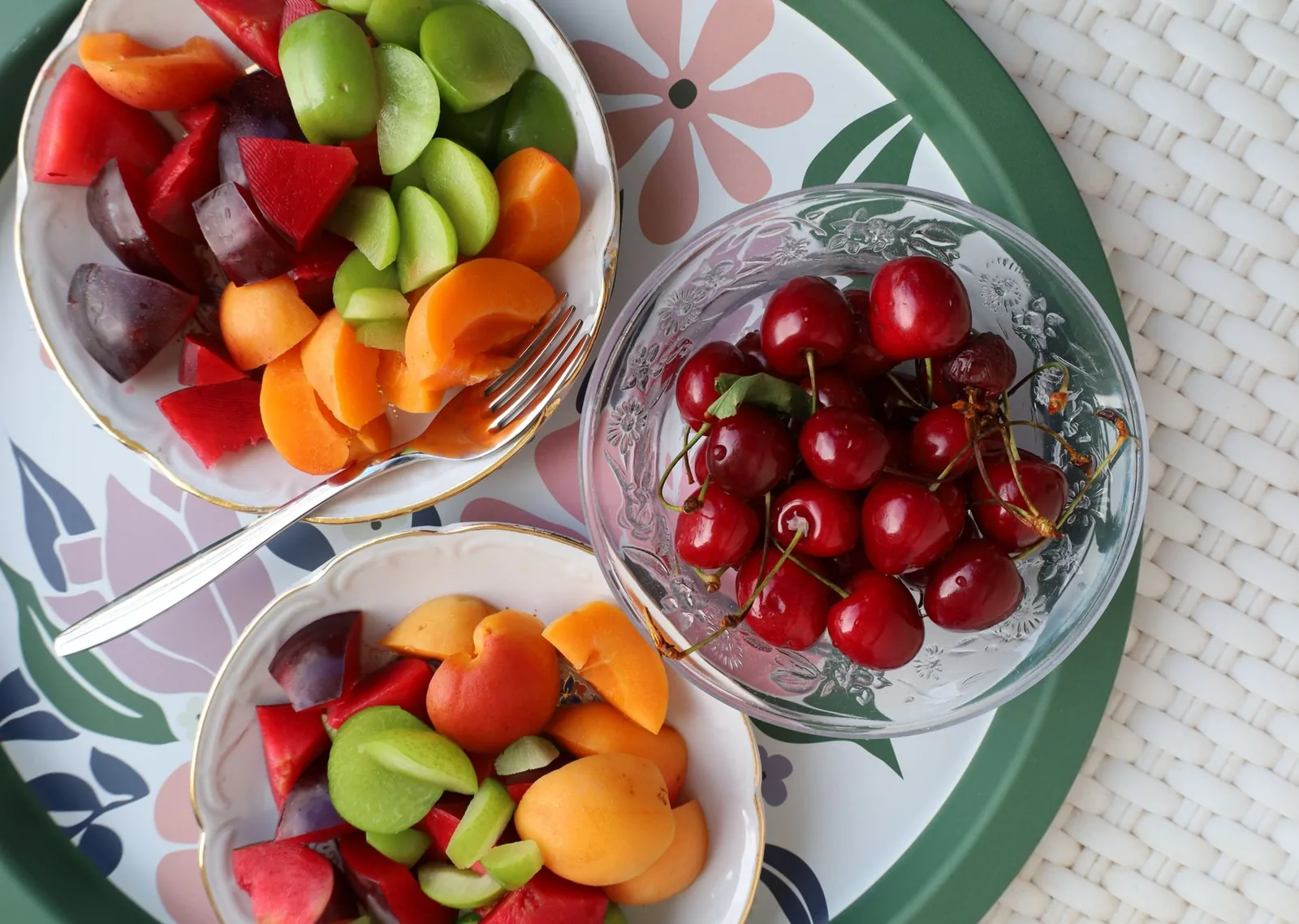
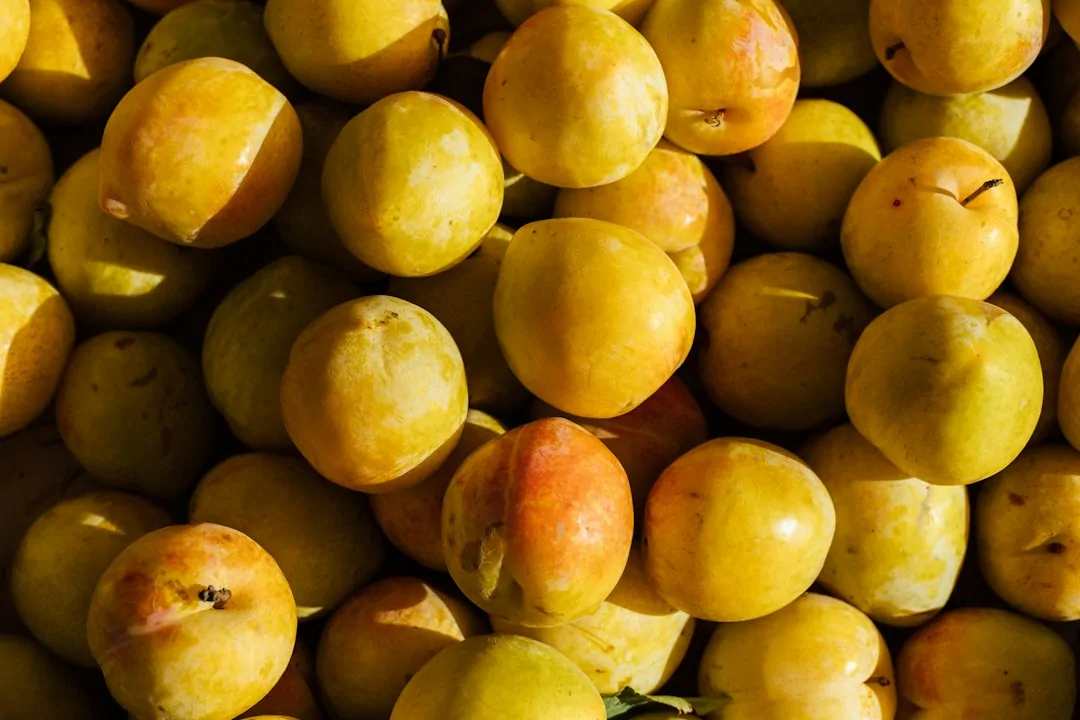
The yellow Malatya apricot, or sarı kayısı, is favored for its vibrant color and juicy sweetness. It is often enjoyed fresh or used in desserts, jams, and salads. The fruit is rich in vitamins A, C, and E, making it a healthy snack option. Its appealing taste makes it a popular choice among consumers, enhancing the appeal of Malatya kayısıları in the market.
Black Malatya Apricot: The Rich Flavor
The black Malatya apricot, known for its distinctive dark hue, is typically dried to enhance its flavor. This drying process intensifies its natural sugars, resulting in a rich and chewy texture that is perfect for snacking or incorporating into various dishes. This variety is often used in traditional Turkish desserts, offering a unique taste that sets it apart from its yellow counterpart.
Comparing Yellow and Black Malatya Apricots
While both yellow and black Malatya apricots are delicious, their uses and flavor profiles differ significantly. Yellow apricots are ideal for fresh consumption and light dishes, whereas black apricots excel in richer recipes and as a standalone snack. The choice between the two often depends on personal preferences and culinary applications.
Where to Buy Malatya Kayısıları
If you're interested in trying these delightful apricots, consider checking out local markets or online retailers specializing in Turkish dried fruits. For quality options, Tunahan Kayısı offers a range of Malatya kayısıları products, ensuring you get the freshest and finest selections available.
FAQs about Malatya Kayısısı
- What is the main difference between yellow and black Malatya apricots?
The primary difference lies in their taste and usage; yellow apricots are sweet and juicy, ideal for fresh consumption, while black apricots are richer and often dried for various culinary applications. - Are Malatya apricots nutritious?
Yes, both varieties are packed with vitamins and minerals, making them healthy snack options that are beneficial for your diet. - Which variety is better for cooking?
The black Malatya apricot is often preferred for cooking due to its richer flavor, particularly in traditional Turkish dishes. - Can I eat Malatya apricots fresh?
Absolutely! The yellow Malatya apricot is especially delicious when eaten fresh. - Where can I find authentic Malatya kayısıları?
You can find authentic Malatya apricots at specialty stores or online, such as at Tunahan Kayısı.
Conclusion
In conclusion, both yellow and black Malatya apricots offer unique flavors and culinary uses. Whether you prefer the sweet juiciness of the yellow variety or the rich taste of the black version, Malatya kayısıları are a wonderful addition to your diet. Explore the delicious world of these apricots and discover why they are a cherished fruit in Turkey.
Storage and quality-control notes
Pack integrity, moisture, lot data and storage temperature shape the product profile. Prefer a cool, dry cupboard away from light. Start with a small pack and observe texture and aroma at home. Reading labels and understanding processing helps separate quality from price alone.
- Note best-before and lot codes.
- Keep away from humid counters.
- Use airtight containers after opening.
- Plan rotation for bulk buys.
- Check aroma and texture on first use.
Seasonal lots can shift aroma; consistent supply and transparent lot policy improve predictability. Finish opened packs promptly to reduce waste. A small tasting check before serving reduces surprises for guests.
When evaluating malatya kayısısı sarı mı siyah mı, aroma, texture, packaging and processing should be read together. Judging malatya kayısısı sarı mı siyah mı by price alone can be misleading.
When evaluating malatya kayısısı sarı mı siyah mı, aroma, texture, packaging and processing should be read together. Judging malatya kayısısı sarı mı siyah mı by price alone can be misleading.
When evaluating malatya kayısısı sarı mı siyah mı, aroma, texture, packaging and processing should be read together. Judging malatya kayısısı sarı mı siyah mı by price alone can be misleading.
When evaluating malatya kayısısı sarı mı siyah mı, aroma, texture, packaging and processing should be read together. Judging malatya kayısısı sarı mı siyah mı by price alone can be misleading.