
Malatya Kayısısı: Sarı mı Siyah mı?
Malatya Kayısıları Editorial Team · Brand editorial team · Updated 2026-07-26
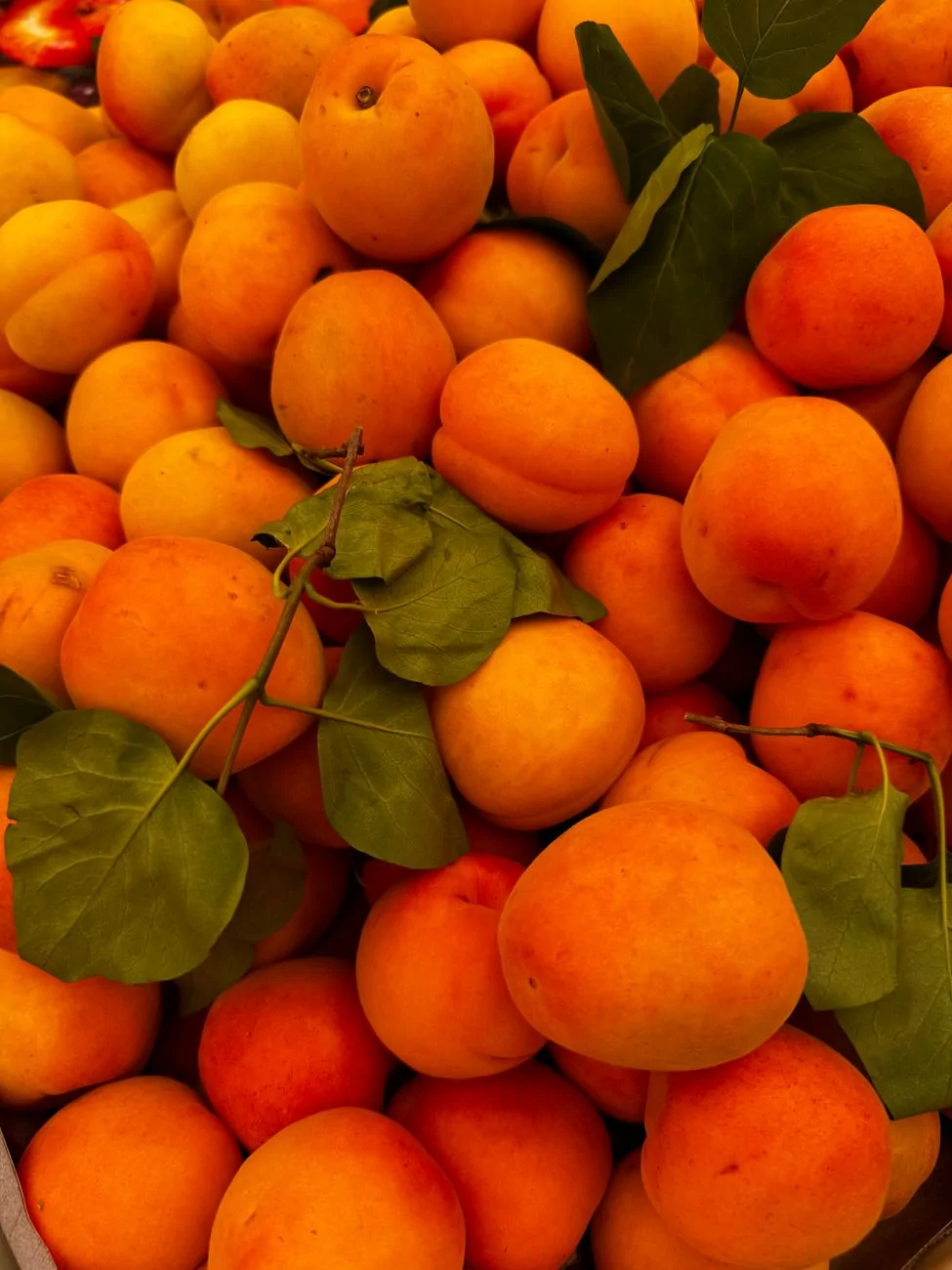
When it comes to Malatya kayısısı, a common question often arises: is it yellow (sarı) or black (siyah)? As one of Turkey's most prized exports, the Malatya apricot is celebrated for its unique taste and variety. This fruit, grown predominantly in the Malatya region, is not just a delight for the palate but also a significant cultural and economic product. In this article, we'll delve into the characteristics that define the color and quality of Malatya kayısıları, exploring the different varieties like Hacıhaliloğlu and Kabaaşı kayısı, and understanding why some apricots are yellow while others might appear darker.
Understanding the Varieties of Malatya Kayısısı
Malatya kayısısı is known for its rich diversity, with several varieties contributing to its global reputation. Among these, Hacıhaliloğlu and Kabaaşı are particularly noteworthy. These varieties are cherished not only for their taste but also for their distinctive colors. Typically, Malatya apricots are known for their vibrant yellow hue, but factors such as drying methods and maturity can influence their appearance.
Hacıhaliloğlu: The Classic Yellow Apricot
Hacıhaliloğlu is perhaps the most famous variety of Malatya apricots, often characterized by its bright yellow color. This variety is renowned for its sweet taste and is a staple in many traditional Turkish dishes. Its yellow hue is a sign of its ripeness and quality, making it a preferred choice for both fresh consumption and drying.
Kabaaşı Kayısı: A Deeper Shade
Kabaaşı kayısı, on the other hand, might present a deeper, sometimes darker appearance. This can be attributed to the particular drying processes it undergoes. While still rich in flavor, Kabaaşı apricots are often used in making pestil, a type of fruit leather, and other delicacies. The variation in color does not detract from its quality; rather, it offers a different experience for apricot enthusiasts.
Factors Influencing Apricot Color
The color of Malatya kayısısı can vary based on several factors including the time of harvest, drying techniques, and even the specific microclimate of the orchard. Sun-drying, a common practice in the region, can sometimes result in a darker apricot, which may be mistaken for black. However, these darker hues are typically indicative of a more intense flavor profile.
Embracing the Diversity of Kayısı Çeşitleri
The diversity of kayısı çeşitleri is part of what makes Malatya's apricots so special. Whether you prefer the bright and tangy Hacıhaliloğlu or the rich, robust Kabaaşı, there's an apricot for every taste. Understanding these differences can enhance your appreciation for this regional delicacy and encourage you to explore the full range of Malatya kayısıları.
Conclusion
Malatya kayısısı, whether sarı or siyah, embodies the rich agricultural heritage of the Malatya region. By appreciating the variety and understanding the factors that influence the color and flavor of these apricots, consumers can enjoy a deeper connection with this beloved fruit. Whether you are sampling Hacıhaliloğlu for its classic sweetness or savoring Kabaaşı for its bold taste, Malatya offers an apricot experience like no other.
FAQ
What makes Malatya kayısısı unique?
Malatya kayısısı is unique due to its rich flavor, wide variety, and the traditional methods used in its cultivation and drying. The region's climate contributes to the high quality of the apricots.
Why are some Malatya apricots yellow while others are darker?
The color variation is influenced by factors such as the specific variety, drying process, and the maturity of the apricot at harvest. Sun-drying can sometimes result in a darker hue.
Is a darker Malatya apricot of lower quality?
No, a darker Malatya apricot is not of lower quality. In fact, the darker color can indicate a more intense flavor, depending on the variety and drying method.
What are the most popular varieties of Malatya kayısısı?
The most popular varieties include Hacıhaliloğlu, known for its bright yellow color and sweet taste, and Kabaaşı, which is often used for its robust flavor in dried fruit products.
How are Malatya apricots typically used?
Malatya apricots are used in a variety of ways, including fresh consumption, drying, and in the production of pestil (fruit leather), jams, and desserts.